Bad Breath Begone: Strategies for Fresh Breath All Day Long
Tue, Apr 23, 2024
Read in 4 minutes
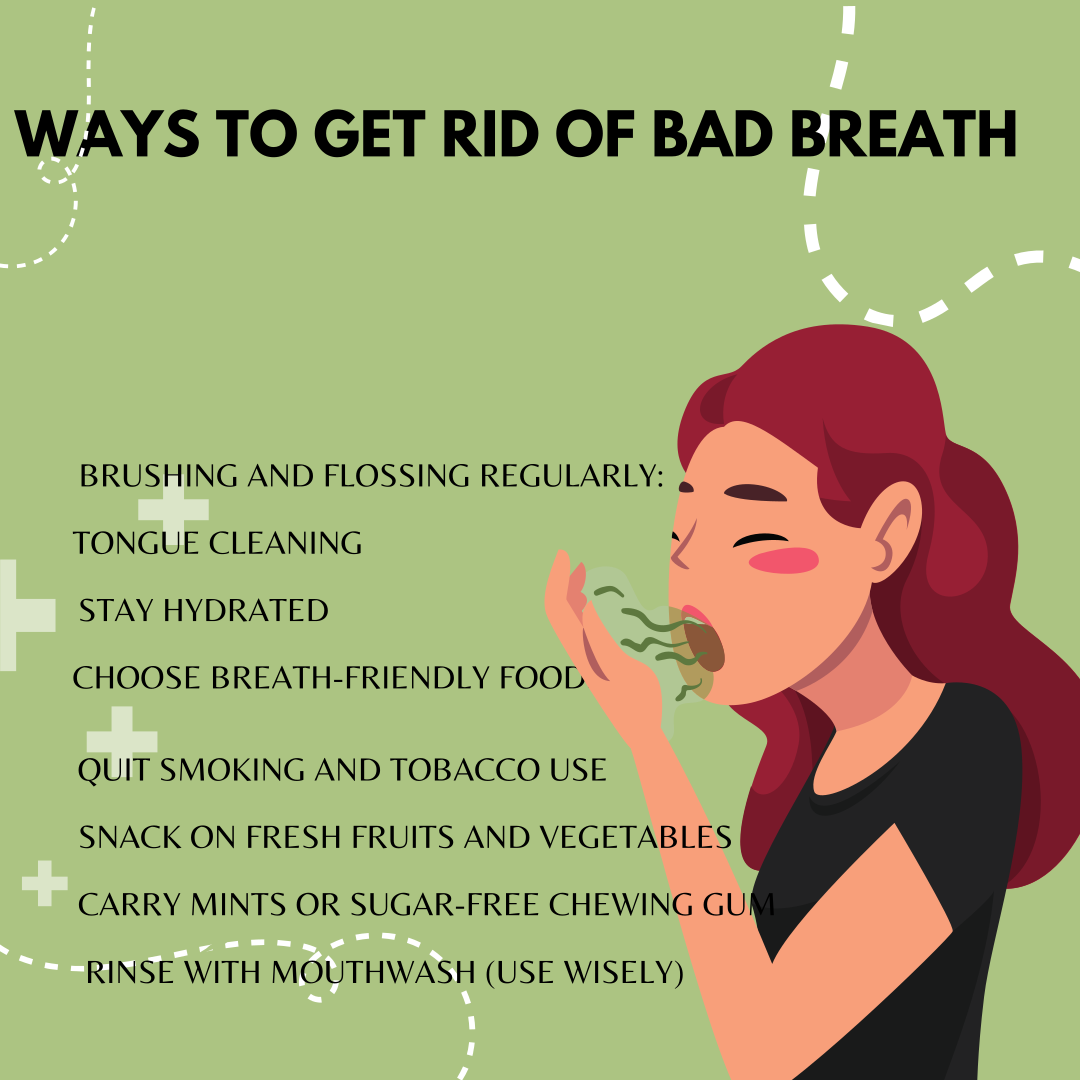
Fresh breath is crucial for confidence, but halitosis can be embarrassing. Understanding its causes is key. Poor oral hygiene, dry mouth, strong-smelling foods, and smoking are common culprits. Medical conditions like sinusitis and acid reflux can also play a role. To combat bad breath, establish a daily routine: brush and floss regularly, clean your tongue, stay hydrated, and choose breath-friendly foods. Quitting smoking is essential for both breath and overall health. Throughout the day, carry mints or sugar-free gum, snack on fresh fruits and vegetables, and use mouthwash wisely. If dry mouth is the issue, stay hydrated, use a humidifier, and try sugar-free lozenges. If bad breath persists, consult your dentist. They can offer specialized products and assess any underlying medical conditions. With these strategies, you can achieve lasting freshness and confidence. #freshbreath #confidence #oralhygiene #halitosis #dentalhealth #healthylifestyle #healthychoices #saynotosmoking #dentistry #smilemore
Fresh breath is a cornerstone of confidence. It allows you to engage in social interactions freely and leaves a positive impression on others. But bad breath, also known as halitosis, can be embarrassing and lead to social anxiety. Don’t worry, though! This blog is your guide to achieving long-lasting freshness and keeping bad breath at bay.
Understanding the Causes of Bad Breath
Before tackling solutions, let’s explore the common culprits behind bad breath:
Poor Oral Hygiene: This is the number one cause. Brushing twice a day and flossing once a day removes food particles and bacteria that can contribute to bad breath. Without proper cleaning, bacteria build-up on the tongue and teeth, releasing unpleasant odors.
Dry Mouth: Saliva naturally cleanses your mouth and washes away odor-causing bacteria. Certain medications, dehydration, and medical conditions like Sjogren’s syndrome can cause dry mouth, leading to bad breath.
Food Choices: Strong-smelling foods like garlic, onions, and certain spices can leave behind residual odors in your mouth.
Smoking and Tobacco Use: Smoking and chewing tobacco not only stain teeth but also contribute significantly to bad breath. The chemicals in tobacco can irritate gums and dry out your mouth, creating an environment conducive to bad breath-causing bacteria.
Underlying Medical Conditions: Certain medical conditions like chronic sinusitis, acid reflux, and postnasal drip can contribute to bad breath. In these cases, treating the underlying condition is crucial for resolving bad breath.
Fresh Breath Strategies: Your Daily Routine
Here are some key practices to incorporate into your daily routine for long-lasting fresh breath:
Brushing and Flossing Regularly: Brushing your teeth twice a day for at least two minutes is essential. Use a soft-bristled brush and fluoride toothpaste to remove plaque and bacteria from teeth surfaces and gum lines. Don’t forget to gently brush your tongue to remove bacteria that can harbor odor. Brushing after meals is ideal, but if not possible, rinsing your mouth with water can help temporarily. Flossing removes food particles and plaque from between teeth, areas that brushing can’t reach.
Tongue Cleaning: The tongue has a rough surface where bacteria can hide. Invest in a tongue scraper or use your toothbrush to gently clean your tongue from back to front each time you brush.
Stay Hydrated: Drinking plenty of water throughout the day keeps your mouth lubricated and helps wash away odor-causing bacteria. Avoid sugary drinks that can contribute to bad breath and promote tooth decay.
Choose Breath-Friendly Foods: Be mindful of the foods you eat. Opt for fruits, vegetables, and whole grains, which are not only good for your overall health but also less likely to cause bad breath.
Quit Smoking and Tobacco Use: This is not only beneficial for your breath but also your overall health. Quitting smoking significantly improves bad breath and reduces the risk of oral health problems.
Maintaining Fresh Breath Throughout the Day
Here are some additional tips to keep your breath fresh throughout the day:
Carry Mints or Sugar-Free Chewing Gum: Pop a mint or sugar-free chewing gum (ideally with xylitol) after meals or when you feel your breath needs a refresh. However, don’t rely solely on mints and gum; they are temporary solutions and don’t address the root cause of bad breath.
Snack on Fresh Fruits and Vegetables: Crunchy fruits and vegetables like apples, celery, and carrots can stimulate saliva production and help freshen your breath naturally.
Rinse with Mouthwash (Use Wisely): Mouthwash can be a helpful tool for freshening breath, but it shouldn’t be a substitute for brushing and flossing. Choose an alcohol-free mouthwash that contains ingredients like xylitol to kill bacteria and neutralize odors. Use mouthwash sparingly, as excessive use can disrupt the natural balance of bacteria in your mouth.
Addressing Dry Mouth
If dry mouth is the culprit behind your bad breath, here are some tips:
Drink plenty of water: As mentioned earlier, staying hydrated is key.
Use a humidifier: Adding moisture to the air, especially at night, can help combat dry mouth.
Suck on sugar-free lozenges or candies: Sugar-free lozenges or candies can stimulate saliva production and keep your mouth moist.
Talk to your dentist: They can recommend products specifically designed for dry mouth or discuss medications that might be contributing to the dryness.
Seeking Professional Help
If you’ve tried these strategies and still experience persistent bad breath, it’s crucial to consult your dentist. They can rule out any underlying medical
#freshbreath #confidence #oralhygiene #halitosis #dentalhealth #healthylifestyle #healthychoices #saynotosmoking #dentistry #smilemore
Dr Bikash Pattanaik,
Care and Cure Dental Implant and Cosmetic center, Nashik
For more information please log in to https://dentalcareandcure.in