Healthy Mouth, Happy Life: Understanding the Basics of Oral Hygiene
Sat, Apr 13, 2024
Read in 6 minutes
Your mouth is teeming with bacteria, both helpful and harmful. Brushing twice daily and flossing once a day are key to maintaining a healthy balance. Brushing removes plaque, a sticky film that can harden into tartar. Flossing removes plaque from between teeth. Good oral hygiene goes beyond fresh breath. It can reduce your risk of heart disease, stroke, and diabetes. It can also improve your sleep, self-esteem, and overall quality of life. Invest in your oral health with a consistent routine and regular dental visits. A healthy mouth is a happy mouth, and a happy mouth leads to a happy life! Oral Hygiene Dental Health Brushing Flossing Plaque Tartar Gum Disease Overall Health Care and cure Dental Implant and cosmetic center, Nashik
The saying “an apple a day keeps the doctor away” might be familiar, but have you heard of “healthy mouth, happy life”? It’s just as true! Your oral health is intricately linked to your overall well-being. Taking care of your mouth isn’t just about fresh breath; it’s about preventing dental problems, maintaining a beautiful smile, and even boosting your overall health.
This blog delves into the fundamentals of oral hygiene, empowering you to take charge of your oral health and unlock a happy, healthy life, one smile at a time!
The Marvelous Microbiome: Understanding Your Mouth’s Ecosystem
Your mouth is a teeming metropolis, not of people, but of microscopic organisms! Believe it or not, your mouth is home to billions of bacteria, forming a complex ecosystem called the oral microbiome. While some of these bacteria are beneficial, others can be harmful. The key to good oral hygiene lies in maintaining a healthy balance within this microbiome.
The Good, the Bad, and the Plaque: How Bacteria Affect Your Smile
Here’s a breakdown of the good and bad players in your mouth:
Beneficial Bacteria: These bacteria help maintain a healthy balance in your mouth by aiding digestion and preventing the growth of harmful bacteria.
Harmful Bacteria: These bacteria feed on sugars and starches left behind in your mouth after eating. As they thrive, they produce acids that erode tooth enamel and irritate gums, leading to cavities and gum disease.
Plaque: The Sticky Threat
When harmful bacteria in your mouth aren’t kept in check, they combine with food particles, saliva, and mucus to form a sticky film called plaque. Plaque constantly forms on your teeth, especially around the gum line and between teeth. If not removed regularly, plaque hardens into tartar (calculus), a rough deposit that can only be removed by a dental professional.
The Two Pillars of Oral Hygiene: Brushing and Flossing
Now that you understand the importance of maintaining a healthy balance in your mouth, let’s explore the two essential pillars of good oral hygiene: brushing and flossing.
Brushing: Your Daily Defense
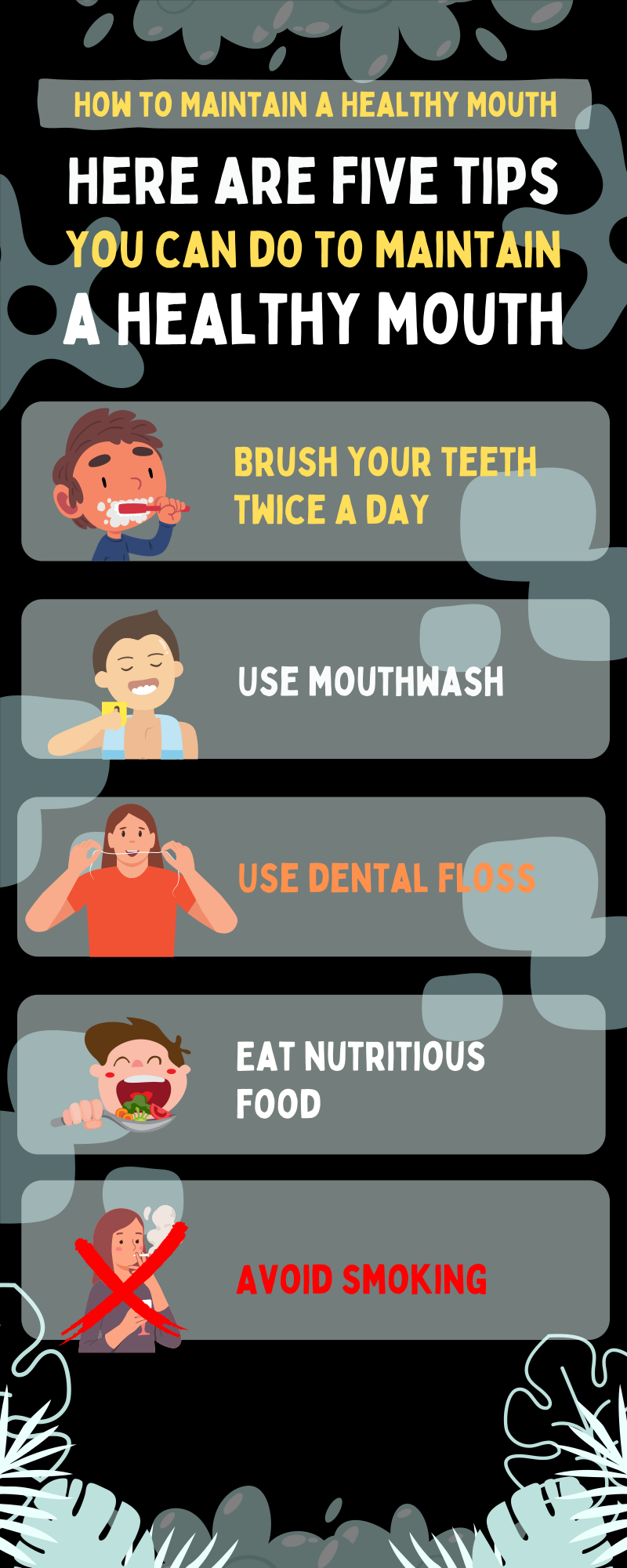
Brushing your teeth twice a day, ideally after breakfast and before bed, is the cornerstone of good oral hygiene. Here’s how to brush effectively:
Choose the Right Tools: Use a soft-bristled toothbrush that fits comfortably in your mouth and reaches all areas. Replace your toothbrush every 3-4 months or sooner if the bristles become frayed.
Fluoride is Your Friend: Use a fluoride toothpaste. Fluoride strengthens tooth enamel and helps prevent cavities.
The Brushing Technique: Gently brush the surfaces of your teeth in a circular motion, reaching the gum line and behind your front teeth. Don’t forget your tongue where bacteria can also reside. Brush for at least two minutes each time.
Flossing: Reaching the Hidden Crevices
Brushing alone can’t reach all the nooks and crannies between your teeth. That’s where flossing comes in. Regular flossing (once a day) removes food particles and plaque from between your teeth, preventing cavities and gum disease.
Flossing Techniques: There are various flossing techniques. Find one that works best for you. Wrap a 12-inch piece of floss around your middle fingers and gently slide it between each tooth, scraping the sides to remove plaque.
Beyond Brushing and Flossing: Additional Oral Hygiene Habits
Brushing and flossing are the foundation, but a complete oral hygiene routine includes a few extra steps:
Rinse with Mouthwash: While not a replacement for brushing and flossing, a fluoride-containing mouthwash can be used as an additional tool to freshen breath and kill bacteria.
Maintain a Healthy Diet: Limiting sugary and acidic foods helps reduce the fuel source for harmful bacteria in your mouth.
Don’t Smoke: Smoking is a major risk factor for gum disease and oral cancer. Quitting smoking is one of the best things you can do for your oral health.
Regular Dental Checkups: Your Partner in Oral Health
Visiting your dentist for regular checkups and cleanings is crucial. Cleanings remove tartar buildup that brushing and flossing alone can’t tackle. Early detection of dental problems allows for prompt treatment and prevents them from progressing into more serious issues. Your dentist can also screen for oral cancer and provide personalized oral hygiene advice based on your specific needs.
The Benefits of a Healthy Mouth
Maintaining good oral hygiene goes beyond just having a pearly white smile. Here are some surprising benefits of a healthy mouth that extend far beyond your oral cavity:
Fresh Breath and Confidence: Taking care of your teeth and gums ensures fresh breath, boosting your confidence in social interactions. You won’t hesitate to smile, laugh, or talk freely without worrying about bad breath. Improved Overall Health: Studies have shown a link between oral health and overall health. Untreated dental problems like gum disease can increase the risk of heart disease, stroke, diabetes, and even respiratory infections. Maintaining good oral hygiene can help you stay healthy overall.
Reduced Pain and Discomfort: Dental problems like cavities, gum disease, and tooth abscesses can cause significant pain and discomfort. Taking care of your teeth and gums prevents these issues, allowing you to eat, speak, and smile pain-free.
Stronger Immune System: A healthy mouth with a balanced oral microbiome can contribute to a stronger immune system. The good bacteria in your mouth help fight off harmful bacteria that can cause infections throughout the body.
Better Sleep: Dental pain or discomfort can significantly disrupt your sleep. Maintaining good oral hygiene ensures a good night’s sleep, leaving you feeling refreshed and energized.
Pregnancy Health: Gum disease during pregnancy has been linked to pre-eclampsia, a serious pregnancy complication. Good oral hygiene is essential for pregnant women to maintain their health and the health of their babies.
Improved Self-Esteem: A healthy smile is a beautiful smile. Taking care of your teeth can boost your self-esteem and confidence, making you feel good about yourself.
Financial Savings: Preventing dental problems through good oral hygiene can save you money in the long run. Regular checkups and cleanings are much more affordable than treating advanced dental issues.
Enhanced Quality of Life: Ultimately, good oral hygiene contributes to a higher quality of life. You can enjoy a wider variety of foods, smile freely, and live life to the fullest without worrying about dental problems.
Investing in Your Smile: A Lifelong Commitment
Taking care of your oral health is an investment that pays off throughout your life. By adopting a consistent oral hygiene routine and scheduling regular dental checkups, you’re laying the foundation for a healthy smile and a healthy you. Remember, a healthy mouth is a happy mouth, and a happy mouth leads to a happy life!
For more information please log in to https://dentalcareandcure.in