Nail Biting: When Nervous Habits Take a Bite Out of Your Health
Sun, Aug 25, 2024
Read in 5 minutes
Nail biting—the quirky, often embarrassing habit that many of us have struggled with at some point in our lives. Whether you find yourself nibbling on your nails during a stressful meeting, absentmindedly chewing them while binge-watching your favorite show, or biting them out of sheer boredom, nail biting, or **onychophagia**, is more than just a harmless nervous tick. It can have surprising and sometimes serious effects on your health. Let’s take a deep dive into the world of nail biting, exploring why we do it, the impacts it has, and how to kick the habit with a smile (pun intended).
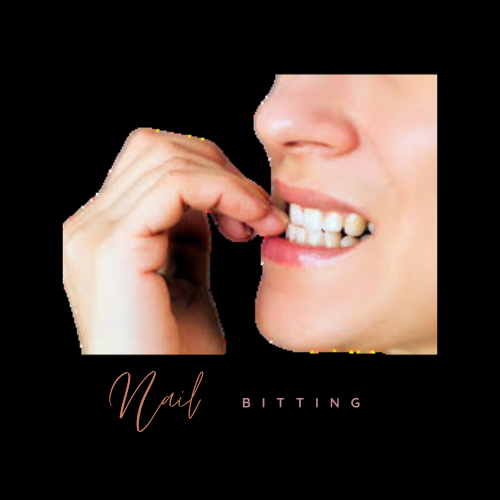
Nail biting—the quirky, often embarrassing habit that many of us have struggled with at some point in our lives. Whether you find yourself nibbling on your nails during a stressful meeting, absentmindedly chewing them while binge-watching your favorite show, or biting them out of sheer boredom, nail biting, or **onychophagia**, is more than just a harmless nervous tick. It can have surprising and sometimes serious effects on your health. Let’s take a deep dive into the world of nail biting, exploring why we do it, the impacts it has, and how to kick the habit with a smile (pun intended).
Why Do We Bite Our Nails?
Before we tackle the consequences and solutions, it’s essential to understand **why** we bite our nails in the first place. Here are some common reasons:
-
Stress and Anxiety Nail biting is often a coping mechanism. When nerves are high, some people find solace in the rhythmic motion of nibbling on their nails.
- Boredom: Sometimes, a restless hand leads to a restless mouth. When there’s nothing to do, fingers might find their way to the mouth.
-
mitation: Kids often mimic adults. If you grew up around nail biters, chances are you picked up the habit too.
-
Perfectionism: The quest for the perfect nail might lead some to bite until they’re satisfied… or, ironically, perpetually unsatisfied.
-
Genetics Some research suggests that nail biting can run in families, hinting at a genetic predisposition.
The Dark Side of Nail Biting
While an occasional nibble might not cause much harm, chronic nail biting can lead to a host of health issues. Let’s explore the not-so-fun side effects:
1. Dental Dilemmas
- Tooth Damage Continuous biting can wear down enamel, leading to tooth sensitivity and increased risk of cavities. Imagine your pearly whites feeling like they’ve been through a rough buffet.
- Misalignment Persistent pressure can affect tooth alignment, causing your dentist to go, “Let’s straighten things out… literally!”
2. Nail and Skin Woes:
- Nail Infections: Bacteria and fungi thrive in the moist environment created by constant nail biting. Think of your nails as the unintentional breeding ground for tiny microbes throwing a party.
- Paronychia This nasty infection occurs around the nail bed, leading to redness, swelling, and pain. It’s like your nail decided to throw a tantrum.
- Skin Damage: Damaging the cuticles and skin around the nails can lead to painful cracks and splits, making your hands look like they’ve been through a hailstorm.
3. Gastrointestinal Grievances:
- Swallowed Germs: Every time you bite your nails, you’re essentially taking in a handful of bacteria. This can lead to stomach issues, as your digestive system plays the role of the overworked janitor.
- Parasitic Infections: Ingesting dirt and germs from nails can lead to more serious infections, turning your digestive tract into a battleground.
4. Social and Psychological Pitfalls:
- Embarrassment Let’s face it, chipped nails and bitten cuticles are not exactly social assets. The sight might make others think, “Is this person okay?”
- Stress Spiral: Ironically, the habit meant to reduce stress can contribute to it, creating a vicious cycle where anxiety leads to nail biting, which in turn leads to more anxiety.
Breaking the Habit: From Chew to Chic
Now that we’ve established that nail biting is more of a health hazard than a cute quirk, let’s explore ways to stop this habit and keep those nails—and health—intact.
- Identify the Triggers:
- Awareness is Key: Start by noticing when and why you bite your nails. Is it during stressful moments, boredom, or specific situations? Understanding triggers is the first step in addressing the habit.
- Keep Your Nails Trimmed:
- Short Nails, No Bites Keeping nails short reduces the temptation to bite. It’s like putting a lid on the pot—less to chew on means less to bite.
- Use Bitter Nail Polish
- Taste the Consequences Special nail polishes with a bitter taste can deter you from biting. It’s the adult version of “no touching” signs, but for your nails.
- Find a Substitute:
-Chew Alternatives Substitute the habit with something less harmful, like chewing gum or snacking on carrot sticks. It’s like giving your mouth a different chew toy.
- Manage Stress and Anxiety:
- Relaxation Techniques: Practices like yoga, meditation, and deep breathing can help manage the stress and anxiety that often lead to nail biting. Think of it as therapy for your fingers.
- Keep Your Hands Busy
- Alternative Activities Engage your hands in activities like knitting, drawing, or using a stress ball. It’s like giving your fingers a new hobby, away from the nails.
- Seek Professional Help:
- Therapy and Counseling: If nail biting is severe or related to deeper psychological issues, seeking help from a mental health professional can be beneficial. It’s like having a coach for your behavior.
Embracing the Journey to Healthier Habits
Breaking a habit like nail biting isn’t easy, and it often requires a mix of strategies and a lot of patience. Celebrate small victories along the way—each day with fewer bites is a step towards healthier nails and a healthier you.
Conclusion
Nail biting may seem like a harmless habit, but as we’ve explored, it can have more significant effects on your health and well-being than you might think. From dental woes to social embarrassment, the consequences are real—but so are the solutions. By understanding the triggers, addressing the underlying causes, and adopting healthier habits, you can overcome nail biting and enjoy the benefits of healthier nails and a healthier life.
So, next time you catch yourself about to take a nibble, remember the potential pitfalls and think of all the great ways you can channel that energy instead. Embrace the journey towards healthier habits, and let’s all smile a little brighter—without the need for chewing on our nails.
Here’s to stronger nails, better health, and a bite-free future!
Here are some hashtags for the blog related to nail biting and its effects on health, reflecting your clinic:
- #CareAndCureDental
- #NashikDentalCare
- #HealthyHabitsWithCareAndCure
- #CosmeticDentistryNashik
- #OralHealthMatters
- #StopNailBiting
- #SmileWithCareAndCure
- #DentalHealthAwareness
- #NashikDentalClinic
- #ProtectYourSmile
Dr Bikash Pattanaik,
Care and Cure Dental Implant and Cosmetic Center,
For more information please log in https://dentalcareandcure.in