The Impact of Stress on Your Oral Health: How Stress Can Lead to Teeth Grinding, Gum Disease, and More
Wed, Sep 4, 2024
Read in 5 minutes
Stress is an unavoidable part of life, but its effects can extend far beyond your mental and emotional well-being. One area that is often overlooked is the impact of stress on your oral health. From teeth grinding to gum disease, stress can manifest in various ways that can harm your mouth. In this blog, we'll explore how stress affects your oral health and what you can do to protect your smile.
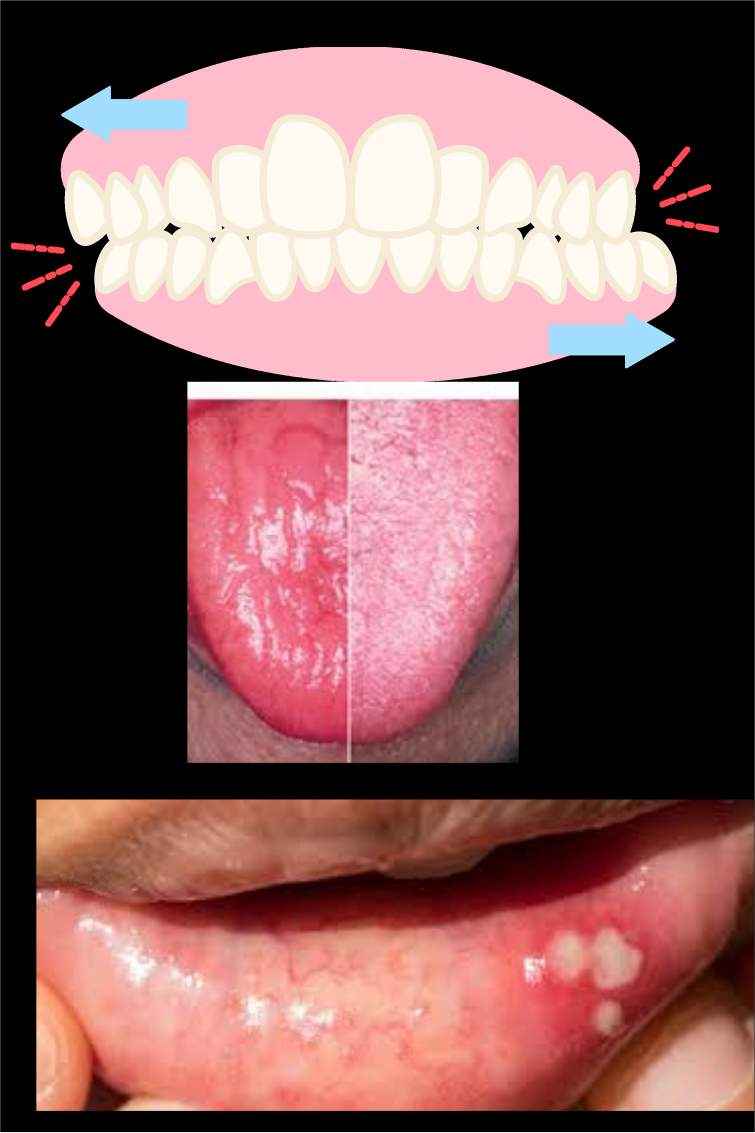
Stress is an unavoidable part of life, but its effects can extend far beyond your mental and emotional well-being. One area that is often overlooked is the impact of stress on your oral health. From teeth grinding to gum disease, stress can manifest in various ways that can harm your mouth. In this blog, we’ll explore how stress affects your oral health and what you can do to protect your smile.
1. Teeth Grinding (Bruxism)
One of the most common ways stress impacts oral health is through teeth grinding, also known as bruxism. Many people grind their teeth unconsciously, especially during sleep, often as a response to stress or anxiety. Over time, this grinding can lead to a host of dental problems, including:
Worn Teeth Constant grinding can wear down the enamel, making your teeth more susceptible to decay and sensitivity.
Cracked or Chipped Teeth The excessive pressure from grinding can cause your teeth to crack or chip, leading to the need for dental restorations.
Jaw Pain and TMJ Disorders Grinding can strain your jaw muscles and joints, leading to pain and temporomandibular joint (TMJ) disorders.
To manage bruxism, your dentist may recommend wearing a custom-made night guard to protect your teeth while you sleep. Additionally, finding ways to reduce stress through relaxation techniques or therapy can help alleviate the root cause of grinding.
2. Gum Disease
Stress can weaken your immune system, making it harder for your body to fight off infections, including those in your mouth. When your immune system is compromised, you’re more susceptible to gum disease, a condition where bacteria in the mouth infect the gums, leading to inflammation, bleeding, and potentially tooth loss.
Stress can also lead to poor oral hygiene habits, such as neglecting brushing and flossing, which further increases the risk of gum disease. Symptoms of gum disease include:
Red, Swollen Gums Inflammation of the gums is a common sign of gum disease.
Bleeding Gums Gums that bleed easily when brushing or flossing may indicate an infection.
- Receding Gums: Over time, gum disease can cause the gums to pull away from the teeth, leading to exposed roots and tooth sensitivity.
Maintaining good oral hygiene, managing stress, and visiting your dentist regularly for cleanings and check-ups are essential steps in preventing gum disease.
3. Dry Mouth (Xerostomia)
Stress can also lead to dry mouth, a condition where your mouth produces less saliva. Saliva plays a crucial role in maintaining oral health by washing away food particles, neutralizing acids, and preventing tooth decay. When your mouth is dry, bacteria can thrive, increasing the risk of cavities and gum disease.
Dry mouth can be caused by stress-related behaviors, such as smoking, drinking alcohol, or taking certain medications. Symptoms of dry mouth include:
- A Sticky, Dry Feeling: A persistent feeling of dryness in the mouth, throat, and tongue.
- Bad Breath: A lack of saliva can lead to bad breath as bacteria build up in the mouth.
- Difficulty Swallowing: Without enough saliva, swallowing food can become challenging.
Staying hydrated, chewing sugar-free gum, and avoiding tobacco and alcohol can help alleviate dry mouth. If the condition persists, consult your dentist for additional recommendations.
4. Canker Sores
Canker sores, small painful ulcers that develop inside the mouth, are another common oral health issue linked to stress. While the exact cause of canker sores is not fully understood, stress is a known trigger. These sores can make eating, drinking, and talking uncomfortable.
Canker sores typically heal on their own within a week or two, but you can ease the discomfort by avoiding spicy or acidic foods, using over-the-counter topical treatments, and maintaining good oral hygiene.
Conclusion
Stress affects more than just your mental and emotional health—it can have a significant impact on your oral health as well. From teeth grinding and gum disease to dry mouth and canker sores, the effects of stress on your mouth are far-reaching. By recognizing the signs and taking proactive steps to manage stress, you can protect your smile and maintain good oral health. If you’re experiencing any stress-related oral health issues, don’t hesitate to consult with your dentist for personalized advice and treatment options. Remember, a healthy mouth is an essential part of your overall well-being.
Take Charge of Your Oral Health Today!
Stress can take a toll on your smile, but you have the power to protect it. Don’t let stress-related dental issues compromise your well-being. Schedule a consultation with us at Care and Cure Dental Implant and Cosmetic Center, Nashik, and let our expert team help you maintain a healthy, stress-free smile. Whether you need a custom night guard for teeth grinding or guidance on improving your oral hygiene, we’re here to support you every step of the way.
Don’t wait—take action now and give your smile the care it deserves! to learn more please visit https://dentalcareandcure.in
Dr Bikash Pattanaik,
Care and Cure Dental Implant and Cosmetic Center, Nashik
-
Stress and oral health
-
Teeth grinding (bruxism)
-
Gum disease and stress
-
Dry mouth (xerostomia)
-
Canker sores and stress
-
Jaw pain and TMJ disorders
-
Stress-related dental issues
-
Managing bruxism
-
Immune system and gum disease
-
Stress effects on teeth
-
Oral hygiene and stress
-
Night guard for teeth grinding
-
Dental health and stress management
-
Preventing gum disease
-
Saliva and oral health
-
Canker sore treatment
-
Stress-induced dry mouth
-
Dental tips for stress relief
-
Protecting your smile
-
Oral health and mental well-being