The Mighty Molars: Why These Back Teeth Are Key to Your Health
Sun, Aug 11, 2024
Read in 4 minutes
When it comes to our teeth, the molars often don’t get the attention they deserve. While incisors and canines are more visible and associated with the aesthetics of a smile, molars play a crucial role in maintaining overall health. These large, flat teeth located at the back of your mouth are essential for chewing, and their function impacts everything from digestion to jaw health. Let’s dive into why molars are so important and how taking care of them can contribute to your well-being
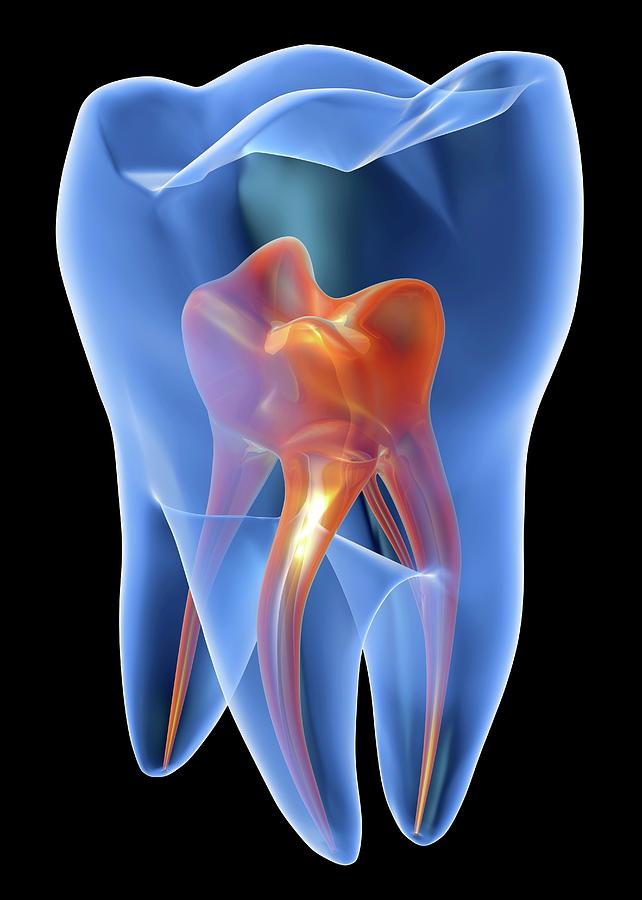
When it comes to our teeth, the molars often don’t get the attention they deserve. While incisors and canines are more visible and associated with the aesthetics of a smile, molars play a crucial role in maintaining overall health. These large, flat teeth located at the back of your mouth are essential for chewing, and their function impacts everything from digestion to jaw health. Let’s dive into why molars are so important and how taking care of them can contribute to your well-being.
What Are Molars?
Molars are the broad, flat teeth at the back of your mouth, designed specifically for grinding and crushing food. Most adults have 12 molars—six on the top and six on the bottom, including the wisdom teeth, which are the third set of molars. These teeth have a large surface area with multiple cusps (the raised points on the chewing surface) that make them perfect for breaking down food into small, digestible pieces.
The Crucial Role of Molars
1. Chewing and Digestion
Molars are the workhorses of the mouth when it comes to chewing. After your incisors and canines cut and tear food, it’s the molars that grind it into smaller pieces, making it easier to swallow and digest. Proper chewing with your molars helps mix food with saliva, beginning the digestive process in the mouth. This not only aids in breaking down food but also in the absorption of nutrients in the stomach and intestines. If molars are missing or damaged, it can lead to inadequate chewing, poor digestion, and nutritional deficiencies.
2. Jaw Health and Alignment
Molars play a significant role in maintaining the alignment of your jaw. They help distribute the force of your bite evenly across your mouth. If you lose a molar, the balance can be disrupted, leading to issues such as misalignment, jaw pain, and even temporomandibular joint (TMJ) disorders. Additionally, missing molars can cause neighboring teeth to shift, leading to crooked teeth and bite problems.
3. Preventing Bone Loss:
The roots of your molars extend deep into the jawbone, providing the necessary stimulation to keep the bone healthy and strong. When a molar is lost and not replaced, the lack of stimulation can lead to bone resorption—a process where the jawbone begins to shrink and weaken over time. This can change the shape of your face, making it appear sunken or aged, and can also complicate future dental treatments, such as the placement of dental implants.
4. Overall Oral Health:
Healthy molars contribute to the overall function and health of your mouth. They are vital for effective chewing, which prevents undue wear on other teeth. When molars are neglected, it can lead to a domino effect of dental problems, including cavities, gum disease, and additional tooth loss.
Caring for Your Molars
Given their importance, it’s essential to take good care of your molars. Here are some tips to keep them healthy:
Regular Brushing and Flossing: Brush your teeth at least twice a day, paying special attention to the back molars, where food particles often get trapped. Floss daily to remove plaque and debris between the teeth.
Routine Dental Check-Ups Visit your dentist regularly for cleanings and check-ups. Your dentist can spot early signs of decay or gum disease, especially in hard-to-reach molars, and address issues before they become serious.
Dental Sealants Consider getting dental sealants, especially for children, to protect the grooves in molars from cavities. Sealants are a thin, protective coating applied to the chewing surfaces of the back teeth.
Healthy Diet: A diet low in sugar and high in calcium and phosphorus helps maintain strong teeth and bones. Avoid frequent snacking on sugary or acidic foods, which can contribute to tooth decay.
Conclusion
Molars are more than just the teeth at the back of your mouth—they are vital to your overall health. From their role in efficient chewing and digestion to maintaining jaw alignment and bone health, molars are essential for a healthy, functional mouth. By taking care of your molars through proper oral hygiene, regular dental visits, and a balanced diet, you can ensure that these mighty teeth continue to serve you well throughout your life.
Remember, a healthy set of molars is key to maintaining not just your oral health but your overall well-being. If you’re experiencing any issues with your molars, don’t hesitate to consult with a dental professional to explore your options for preserving or restoring these important teeth.
Dr Bikash Pattanaik,
Care and Cure Dental Implant and Cosmetic Center
Here are some hashtags you can use for your blog about the importance of molars in health:
#MolarsMatter, . #HealthyTeeth, . #OralHealth, #StrongTeeth, #JawHealth, #DentalCare, #SmileStrong
#TeethTips, #MightyMolars, #OralHygiene
please log in https://dentalcareandcure.in