Unleashing Nature's Healer: Aloe Vera's Potential for a Brighter Smile
Fri, Mar 1, 2024
Read in 3 minutes
For centuries, aloe vera has been revered for its healing properties. This succulent plant, with its thick, green leaves, holds a surprising secret: its potential to revolutionize dental care. Dive deeper as we explore the fascinating science behind aloe vera and its remarkable promise for a healthier, happier smile.
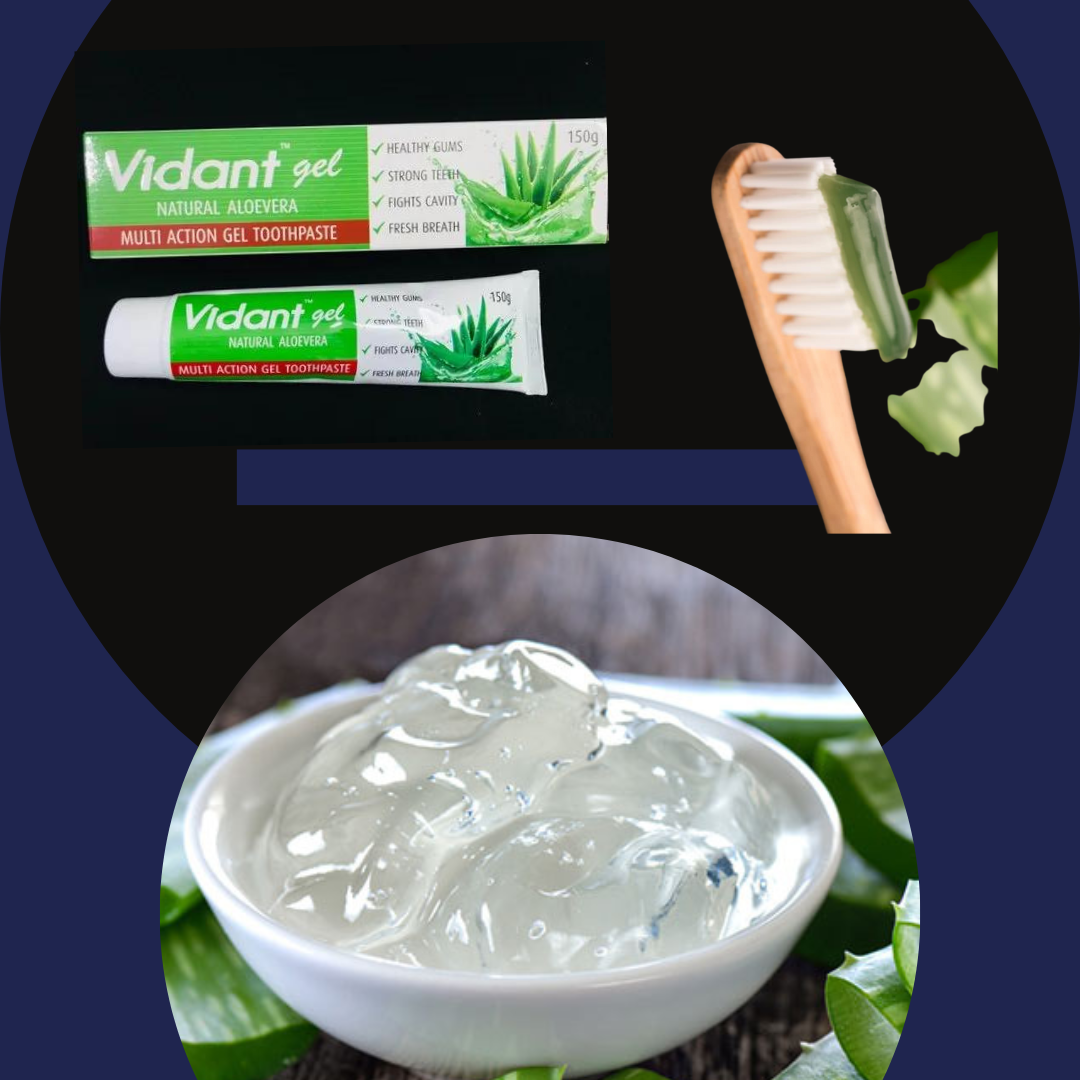
Aloe vera, a succulent plant from the Liliaceae family, derives its name from the Arabic “Alloeh,” meaning shining bitter substance, and Latin “vera,” meaning true. While there exist over 300 species of aloe, Aloe barbadensis stands out for its remarkable medicinal qualities, flourishing primarily in dry regions across Africa, Asia, Europe, and the Americas. It thrives best in tropical climates with low rainfall.
Aloe-plant Description
The outermost layer of Aloe vera is a 15-cell thick hard rind, crucial for synthesizing the plant’s 75 nutrients. Beneath lies the sap, rich in anthraquinones known for their laxative properties. The mucilage layer, abundant in polysaccharides like acemannan, acts as a sterile barrier, preserving the gel’s nutrients. The gel, or parenchyma, stores vital nutrients and is filtered out at the mucilage layer, ensuring optimal composition without excessive laxative effects.
Aloe Vera in Dentistry: Key Points and Potential Applications
Aloe vera (Aloe barbadensis) is a succulent plant with potential benefits for various dental conditions. Here’s a summary of its key properties and potential uses in dentistry:
Composition:
Contains over 75 nutrients, including vitamins, minerals, enzymes, and polysaccharides.
Notable components include:
Vitamins: A, C, E, B complex, Aloe vera boasts a rich vitamin profile including A, C, E, B1, B2, B3, B6, choline, folic acid, alpha-tocopherol, beta-carotene, and notably, vitamin B12. These vitamins, particularly A, C, and E, offer antioxidant properties crucial for immune support, wound healing, and collagen production.
Minerals: Calcium, magnesium, zinc, potassium
Enzymes: Break down sugars and fats, aid digestion Aloe vera provides 19 of the 20 required amino acids and various enzymes aiding digestion and inflammation reduction. Its sugars, including acemannan, exhibit immunomodulating and antiviral properties. Plant sterols like lupeol act as anti-inflammatory agents
Polysaccharides: Acemannan (immunomodulatory, wound healing) Lignin aids skin penetration in topical applications, while saponins possess cleansing and antiseptic qualities.
Potential benefits:
Anti-inflammatory: May help reduce inflammation in conditions like oral lichen planus and gingivitis.
Wound healing: May accelerate healing of aphthous ulcers and other oral wounds.
Antimicrobial: May help combat bacteria associated with cavities and other oral infections.
Antifungal: May help prevent fungal infections like oral candidiasis.
Pain relief: May alleviate pain associated with oral conditions like aphthous stomatitis.
Potential dental applications:
Topical treatment: Gels and mouthwashes for conditions like lichen planus, aphthous ulcers, and gingivitis. radiation-induced oral mucositis
Adjunct to mechanical therapy: May be used alongside scaling and root planning for better periodontal outcomes.
Denture care: May help manage denture-related issues like inflammation and fungal infections.
Dental implants: May help control inflammation around implants.
Root canal filling material: Initial research suggests potential antimicrobial properties in primary teeth.
Advantages and Contraindications:
Aloe vera serves as an economical and easily accessible local drug delivery system with minimal adverse effects, barring contraindications in cases of known allergies, pregnancy, and breastfeeding.
Side Effects
While topical application may cause mild discomfort, systemic use can lead to gastrointestinal distress and electrolyte imbalances. Prolonged use may elevate the risk of colorectal cancer.
Conclusion:
Aloe vera presents a cost-effective alternative in medicine and dentistry, necessitating further research into its healing properties, antibacterial and anti-inflammatory effects, and efficacy as a local drug delivery system. Long-term studies with larger sample sizes are imperative to substantiate its therapeutic potential.
For more information please log in https://dentalcareandcure.in